
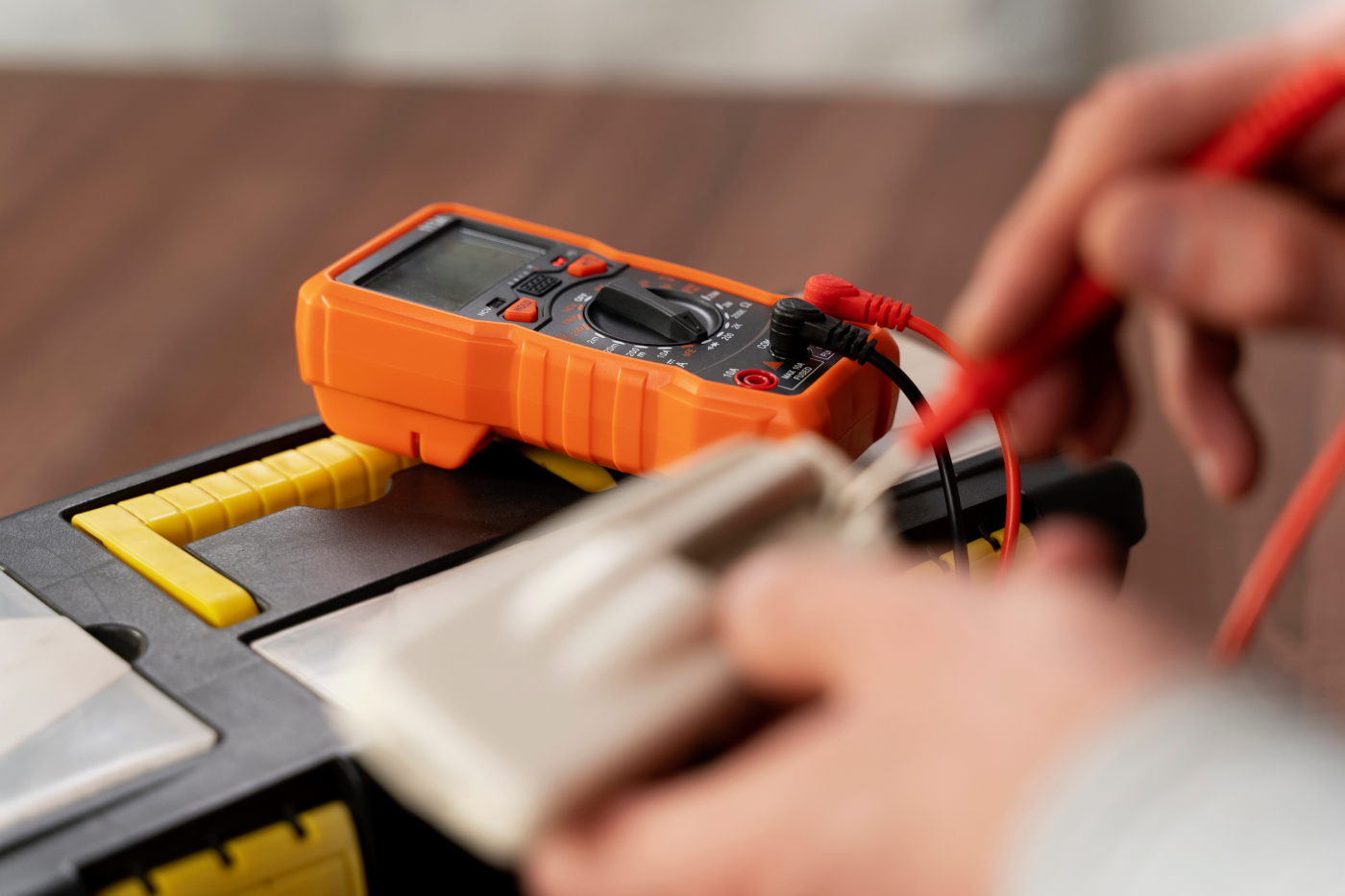
PAT Testing for Businesses: What You Need to Know
Portable Appliance Testing, commonly known as PAT testing, is the process of checking electrical appliances to help confirm they are safe to use. For businesses, this can play an important role in supporting workplace safety, reducing risk, and showing that electrical equipment is being properly maintained.
Although not every appliance requires testing at the same interval, regular checks can help identify faults that may not be visible during day-to-day use. This is especially important in working environments where electrical equipment is used frequently by staff, visitors, or customers.
What Is PAT Testing?
PAT testing involves a combination of visual inspection and electrical testing of portable appliances. The aim is to assess whether equipment is in a safe condition and suitable for continued use. Items such as kettles, computers, extension leads, printers, power tools, and other plug-in appliances may all fall within the scope of testing, depending on the workplace.
In many cases, faults are discovered through simple visual checks, including damaged plugs, worn cables, cracked casings, or signs of overheating. Electrical testing adds another layer of assessment and can help identify hidden faults that may not be obvious from appearance alone.
Why Is PAT Testing Important for Businesses?
Businesses have a responsibility to maintain electrical equipment in a safe condition. PAT testing can support this by helping identify damaged or defective appliances before they become a more serious hazard. It can also contribute to wider health and safety procedures by creating a record of checks carried out across the workplace.
For many businesses, PAT testing is a practical way to reduce the risk of electric shock, overheating, or fire linked to faulty equipment. It can also help support internal maintenance planning and demonstrate a more proactive approach to safety management.
Which Businesses May Benefit from PAT Testing?
PAT testing can be useful in a wide range of environments, including offices, retail premises, hospitality settings, workshops, warehouses, rental properties, and other commercial spaces. The level of testing required often depends on the type of equipment being used, how often it is handled, and the overall working environment.
- Workplaces with a large number of portable electrical appliances
- Businesses where equipment is moved, handled, or used frequently
- Commercial environments with higher wear and tear on electrical items
- Landlords or property managers responsible for shared electrical equipment
- Sites where appliance safety forms part of broader compliance procedures
How Often Should PAT Testing Be Carried Out?
There is no single testing interval that applies to every appliance or every business. The frequency depends on factors such as the type of equipment, how it is used, the environment it is used in, and its condition. Some items may need more frequent checks than others, while lower-risk appliances may require less regular testing.
A qualified professional can help assess what is appropriate for your workplace and advise on a sensible testing schedule based on risk and usage.
Supporting Safer Workplaces
PAT testing should be seen as part of a wider approach to electrical safety rather than a stand-alone task. Combined with good maintenance, staff awareness, and regular inspection of installations, it helps businesses manage risk more effectively and keep electrical equipment in a safer condition.
At TK Electrical Contractors, we provide PAT testing and electrical safety support for businesses across London. With over 10 years of experience, we help clients maintain safer working environments and understand the condition of the equipment they rely on every day.