
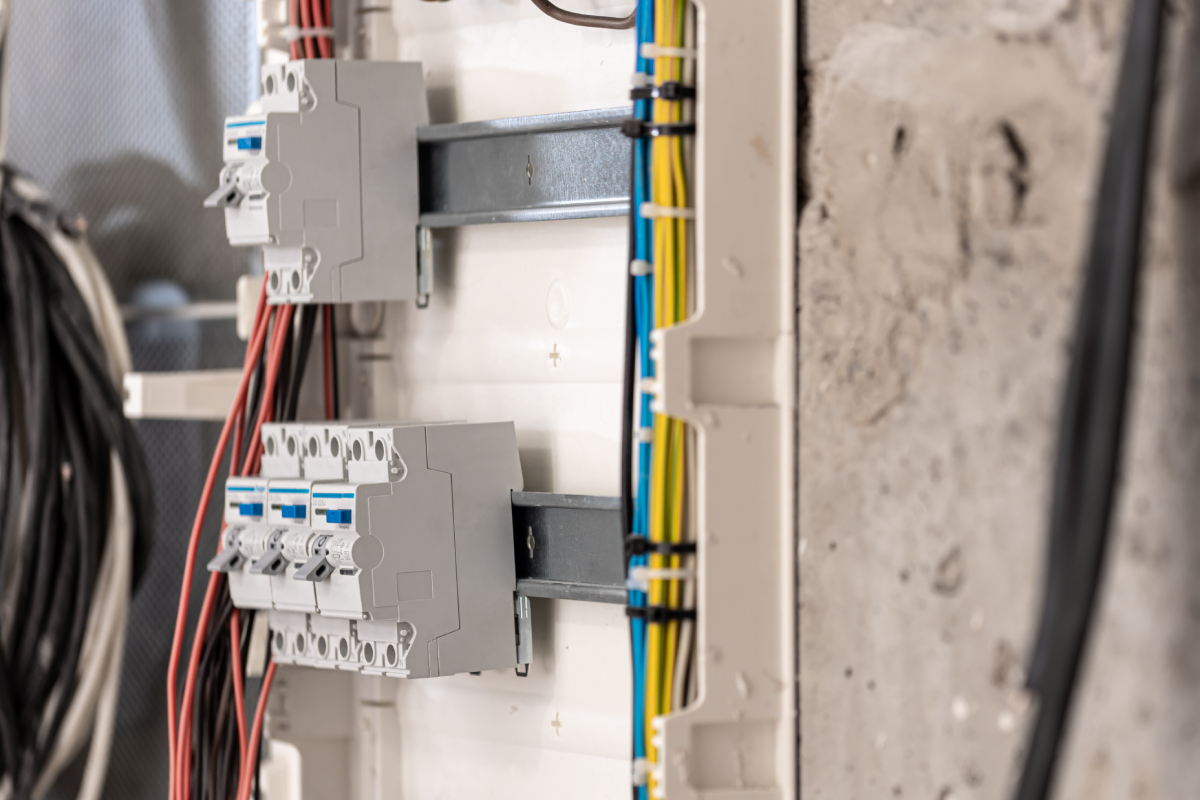
How to Tell If Your Property Needs Rewiring
Electrical wiring does not last forever. Over time, older installations can become worn, outdated, or unsuitable for the way a property is used today. For homeowners, landlords, and business owners, knowing when rewiring may be needed is important not only for convenience, but also for safety and long-term reliability.
In many cases, the warning signs are not immediately obvious. A property may still appear to function normally while hidden electrical issues develop behind walls, ceilings, and fittings. That is why it is important to understand the common signs of ageing electrics and know when it may be time to seek professional advice.
Common Signs a Property May Need Rewiring
One of the clearest indicators is the age of the electrical installation. Older properties may still contain wiring systems that were installed decades ago and are no longer suitable for modern electrical demand. This can include old cable types, outdated fuse boards, or a lack of proper earthing and circuit protection.
Other warning signs may include frequent tripping, blown fuses, flickering lights, discoloured sockets, unusual buzzing sounds, or switches and outlets that feel warm to the touch. These issues do not always mean a full rewire is required, but they do suggest that the installation should be checked properly.
Older Features That May Indicate Outdated Wiring
Some signs of ageing electrics are easier to identify during a visual inspection. These can include older-style consumer units, limited socket provision, dated switches in unusual locations, or visible wiring materials that are no longer commonly used in modern installations.
- Old fuse boards with rewireable fuses or outdated components
- Black rubber, fabric-covered, or lead-sheathed wiring
- Frequent loss of power or recurring circuit faults
- Sockets or switches showing signs of wear, scorching, or damage
- Insufficient outlets leading to heavy reliance on extension leads
Why Rewiring Matters
Rewiring helps bring an electrical installation up to a safer and more practical standard. It can improve reliability, support modern appliances and usage patterns, and reduce the risk of faults linked to deteriorated or outdated wiring. In some cases, rewiring may be needed as part of a renovation, extension, or broader electrical upgrade.
A rewire may involve replacing cables, sockets, switches, fittings, and the consumer unit, depending on the condition of the existing system and the needs of the property. Every project is different, which is why a proper assessment is important before any work is recommended.
When to Arrange a Professional Inspection
If you are unsure about the condition of your electrical installation, the safest step is to arrange a professional inspection. An experienced electrician can assess the wiring, identify any safety concerns, and advise whether partial rewiring, remedial work, or a full rewire may be appropriate.
At TK Electrical Contractors, we help property owners across London assess older electrics and carry out rewiring work where needed. With over 10 years of experience, we focus on safe, practical solutions that support the long-term condition of your property.