
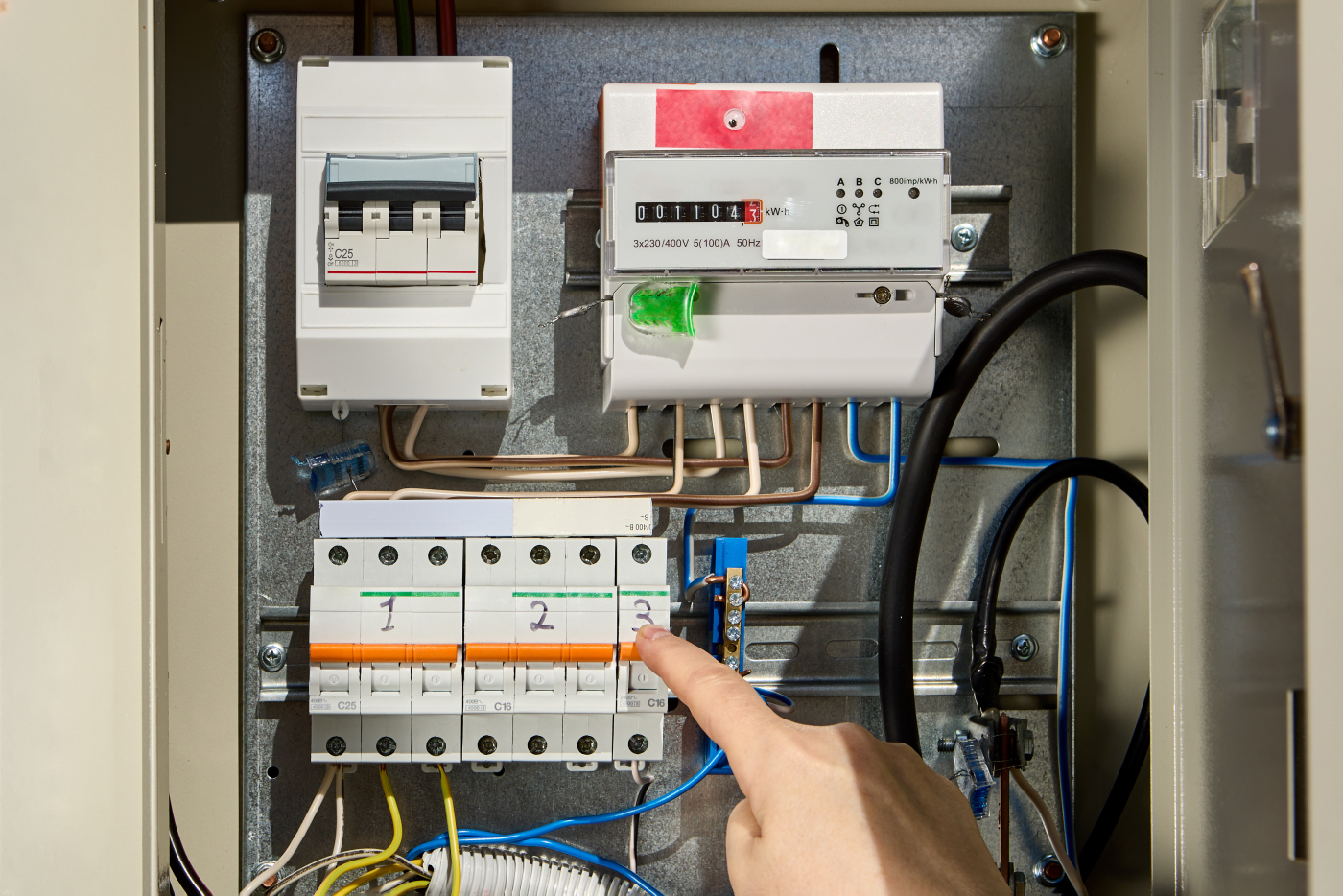
Consumer Unit Upgrades Explained for Homeowners
A consumer unit, sometimes still referred to as a fuse board, is one of the most important parts of a property’s electrical system. It controls and protects the circuits throughout the building, helping reduce the risk of overloads, faults, and electrical hazards. If a consumer unit is outdated or no longer suited to the demands of modern living, an upgrade may be worth considering.
Many older homes still have consumer units that were installed years ago, often before current safety expectations became standard. While that does not automatically mean the system is unsafe, it can mean the installation lacks the level of protection expected in more modern setups. Understanding when an upgrade may be needed can help homeowners make informed decisions about safety, reliability, and future electrical work.
What Is a Consumer Unit?
The consumer unit is the central point that distributes electricity to different circuits in a property. It also provides protection by isolating circuits if a fault occurs. In modern installations, this protection is more advanced and designed to respond more effectively to certain types of electrical issues.
Older fuse boards may still rely on outdated components or limited protection. In some properties, the existing unit may not be suitable for current usage patterns, especially where additional appliances, extensions, or higher electrical demand have been introduced over time.
Why Might a Consumer Unit Need Upgrading?
A consumer unit upgrade is often considered when a property has an older fuse board, lacks modern protective devices, or is undergoing wider electrical improvements. It may also be recommended where the existing arrangement is no longer practical for the size or use of the property.
In some cases, the issue is not just the board itself, but the way the circuits have been arranged over the years. Older properties may have fewer circuits than would normally be expected today, which can affect both convenience and safety. Upgrading the consumer unit can be part of a wider improvement to bring the electrical installation into better overall condition.
Common Signs an Upgrade May Be Needed
There are several signs that may indicate a consumer unit upgrade should be considered. Some are easy to identify visually, while others may only become clear during an electrical inspection.
- An older fuse board with rewireable fuses or dated components
- No RCD protection on circuits where additional protection would now be expected
- Frequent tripping, faults, or unexplained electrical issues
- Planned home improvements such as extensions, new showers, or outdoor installations
- Limited circuit separation that no longer suits the needs of the property
What Does a Consumer Unit Upgrade Involve?
Upgrading a consumer unit may involve more than simply replacing the board. Depending on the condition of the installation, an electrician may also need to assess the existing circuits, identify any faults, and check whether further work is needed to support the new unit properly.
In some homes, this can include separating circuits more effectively, correcting issues such as borrowed neutrals, or carrying out additional improvements to ensure the installation functions safely and as intended. Every property is different, so the scope of work can vary depending on the age and condition of the system.
A Practical Upgrade for Safety and Future Use
A consumer unit upgrade is not just about modernising the appearance of an electrical system. It can also improve safety, support future electrical additions, and help create a more dependable installation for everyday use. For homeowners planning renovations or simply wanting greater confidence in the condition of their electrics, it can be a sensible long-term improvement.
At TK Electrical Contractors, we help homeowners across London assess older fuse boards and carry out consumer unit upgrades where needed. With over 10 years of experience, we focus on safe, practical electrical work designed to support both current needs and future plans.